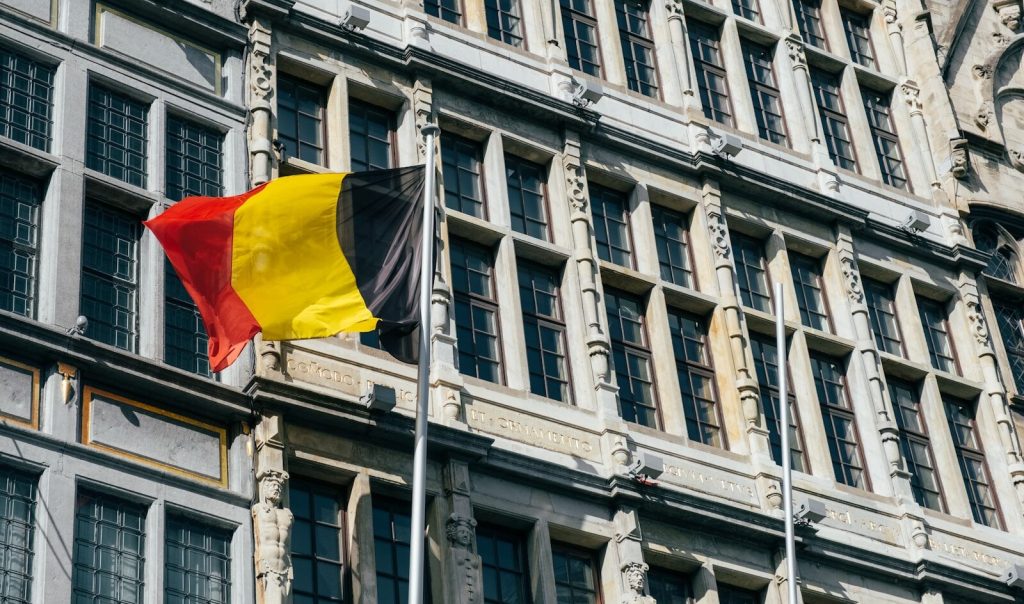
Did you recently miss a call from a number starting with +32 or 0032? If so, you might be wondering who was trying to reach you. The country code +32 belongs to Belgium, and calls from our southern neighbor are quite common in the Netherlands. But how do you know whether it’s a trustworthy contact, a business call, or possibly someone with less honorable intentions? This article covers everything you need to know about +32 numbers — how to recognize Belgian callers, what the number structure means, and how to handle these calls smartly.
Understanding the +32 Country Code
Every country in the world is assigned a unique country code for international calls. Belgium’s is +32. When someone calls you from Belgium, your screen will show a number beginning with either:
- +32 — the standard international format
- 0032 — an alternative international format without the plus sign
Following the +32 country code, you’ll find a regional area code for the specific city or region in Belgium, followed by the subscriber number. This layered structure lets you decode quite a bit of information about where a call is coming from, even before you pick up.
The Structure of a Belgian Phone Number
A typical Belgian phone number in international format breaks down like this:
- +32 — country code
- A regional area code (1–2 digits depending on the city or region)
- The subscriber number (6–7 digits)
For example, +32 2 1234567 is a Brussels number — the area code “2” belongs to the Belgian capital. Meanwhile, +32 3 1234567 points to Antwerp, since “3” is Antwerp’s area code. One important note: in the international format, the leading zero of the area code is dropped. So Brussels’s national area code “02” becomes simply “2” after +32.
Area Codes for Major Belgian Cities
If you want to figure out which city or region a +32 caller is from, check the digits immediately following the country code. Here’s a quick reference for the most common Belgian area codes:
- 02 — Brussels
- 03 — Antwerp
- 09 — Ghent
- 016 — Leuven
- 011 — Hasselt
- 04 — Liège
- 050 — Bruges
- 056 — Kortrijk
- 081 — Namur
- 065 — Mons
Recognizing Belgian Mobile Numbers
Beyond landlines, Belgium also has a well-established mobile network. Belgian mobile numbers are easy to spot by the digits that follow +32. Here’s what to look for by carrier:
- 0470–0473 — Proximus (formerly Belgacom)
- 0475–0478 — Orange Belgium
- 0479, 0489, 0495–0499 — Base / Telenet
In international format, these appear as +32 470, +32 475, +32 495, and so on. Spotting one of these prefixes tells you right away that you’re receiving a call from a Belgian mobile device.
Mobile vs. Landline: Why the Difference Matters
Knowing whether a +32 number is a mobile or landline can help you form a first impression of who’s calling. A landline number is typically tied to a specific address — a business, institution, or private residence in a particular city. A mobile number is far more flexible and can be used from virtually anywhere, including from abroad using a Belgian SIM card.
Who’s Actually Calling from a +32 Number?
There’s a wide range of reasons why you might receive a call from Belgium. Here are the most common scenarios:
Friends and Family
The Netherlands and Belgium share a border, a history, and many family ties. It’s entirely normal for relatives, friends, or acquaintances living in Belgium to call using their Belgian number. This is especially common in border regions like Zeeuws-Vlaanderen and Noord-Brabant, where cross-border contact is a daily reality.
Business Contacts
Belgium is one of the Netherlands’ most important trade and business partners. If you work in logistics, pharma, technology, or any number of other industries, receiving a call from a Belgian colleague, supplier, or client is completely routine. A +32 number showing up during business hours is often nothing more than a professional call you were already expecting.
Government and Official Institutions
Have you ever lived in Belgium, or do you have ongoing dealings with a Belgian government office or tax authority? These institutions may contact you from official Belgian numbers. It’s also worth noting that Brussels hosts many European Union institutions — including the European Commission and the European Parliament — which can also reach out via +32 numbers.
Webshops and Delivery Services
A number of large e-commerce companies and parcel carriers operating in the Netherlands have their headquarters or customer service centers based in Belgium. If you’ve placed an order with a Belgian online retailer, don’t be surprised if someone calls from Antwerp or Brussels to discuss your delivery or return.
Telemarketers and Scammers
Unfortunately, not every +32 call has good intentions. Telemarketers, fraudsters, and spam callers sometimes use Belgian numbers to appear more credible or to mask their true identity. If you have no ties to Belgium and receive an unexpected call, it’s worth staying cautious.
Red Flags: How to Spot a Suspicious +32 Call
Most calls from Belgium are perfectly legitimate, but knowing the warning signs can save you from a lot of trouble. Here’s what to watch out for:
- You have no connection to Belgium — An out-of-the-blue call when you don’t know anyone there and have no Belgian business contacts is a potential red flag.
- They ask for personal information — No legitimate company or government agency will ask for your bank details, social security number, or passwords over the phone.
- It’s an automated call (robocall) — If you hear a pre-recorded voice prompting you to press a button, it’s almost certainly spam or a scam attempt.
- Urgency and pressure tactics — Fraudsters push for immediate action. If the caller says you “must act now” or threatens serious consequences, that’s a major warning sign.
- The number turns up nothing — or worse — If a quick search reveals that others have already flagged the number as spam, trust that feedback.
What to Do If Something Feels Off
- Hang up if you feel uncomfortable — you don’t owe anyone your time.
- Look up the organization independently and call them back using an official number from their website.
- Never share financial or personal information with an unknown caller.
- Report suspicious numbers to the Fraudehelpdesk.
Should You Call Back a Missed +32 Number?
Got a missed call from a +32 number and not sure what to do? Before you dial back, here are a few practical steps to consider.
Look It Up First
A quick search can tell you a lot. Try Googling the number or running it through a phone number lookup service. Other users frequently report whether a number is associated with spam, telemarketing, or fraud. Sites like Tellows.be and Nummerinformatie.nl are great starting points and can save you from an unpleasant conversation.
Give It a Moment
If the caller genuinely needs to reach you, they’ll likely try again or leave a voicemail. Any serious contact — whether a business partner or an official institution — will make the effort to leave a message. Waiting a bit before calling back is often the smarter move.
Watch Out for International Call Costs
Calling back a +32 number may come with extra charges depending on your phone plan. Many Dutch mobile subscriptions include free calling within the EU, but that’s not always the case. Check with your provider before returning an international call to avoid any unexpected costs on your bill.
Blocking and Reporting Unwanted Calls
If you’re getting repeated unwanted calls from a +32 number, you have several tools at your disposal.
Block the Number on Your Phone
On both Android and iOS, blocking a number is straightforward. Open your call history, tap the number, and select the option to block it. Once blocked, you won’t receive any further calls from that specific number.
Report It as Spam
Many smartphones also let you report incoming numbers as spam directly. Apps like Truecaller or Google Phone use crowd-sourced reports to warn other users about known spam or scam numbers. Reporting a number contributes to a larger network of protection for everyone.
File an Official Report
In the Netherlands, unwanted commercial calls can be reported to the Autoriteit Consument & Markt (ACM) through ConsuWijzer. If you suspect fraud, you can file a police report or submit a complaint to the Fraudehelpdesk. In Belgium, similar cases can be reported to the Centre for Cybersecurity Belgium (CCB).
Legitimate Reasons Businesses Call from Belgium
It’s worth reiterating that the vast majority of +32 calls are completely above board. Here are some common legitimate scenarios:
- bpost and other parcel carriers — Belgian delivery services may call to coordinate a package delivery, especially if you’ve ordered from a Belgian webshop.
- EU institutions in Brussels — Brussels is home to dozens of European organizations. A +32 number could easily be an official EU contact.
- Insurers and financial institutions — If you hold an account, insurance policy, or mortgage with a Belgian company that also operates in the Netherlands, they’ll likely call you from a +32 number.
- Recruiters and headhunters — Cross-border recruitment is common, particularly in border regions. A +32 call might just be a recruiter reaching out about an interesting opportunity in Belgium.
General Tips to Protect Yourself from Phone Fraud
Whether a suspicious call comes from Belgium or anywhere else in the world, these principles will help keep you safe:
- Never allow remote access to your computer — This is a classic trick used by scammers posing as tech support agents.
- Don’t share your PIN, password, or banking details over the phone — No real bank or official body will ever ask for this information this way.
- Use a caller ID app — These apps can automatically flag incoming numbers that have been reported as spam or fraud.
- Ask for verification — Request the caller’s name, company name, and a callback number. A legitimate employee won’t hesitate to provide this.
- Talk to someone you trust before acting — Fraudsters rely on urgency. Slowing down and consulting a friend or family member is one of the most effective defenses there is.
Frequently Asked Questions About +32 Numbers
Does +32 always mean the call is from Belgium?
The +32 country code is officially assigned to Belgium, yes. However, modern technology like VoIP makes it possible for callers to “spoof” a Belgian number — making it appear as though they’re calling from Belgium when they’re actually located elsewhere. This is a technique sometimes used by scammers to appear more credible or hide their actual location.
Do I have to answer every +32 call?
Absolutely not — that’s entirely your choice. If you have no ties to Belgium and aren’t expecting a call from there, it’s perfectly reasonable to let it go to voicemail and look up the number afterward. A caller with a legitimate reason to reach you will leave a message or try again.
Is calling back a +32 number free?
It depends on your phone plan. Many Dutch mobile subscriptions include unlimited minutes to other EU countries, which would make calling Belgium free or very cheap. That said, not all plans include this, so it’s worth checking with your provider before you call back.
How can I tell if a +32 caller is legitimate?
Start with a quick online search or use a number lookup service. If others have already flagged the number as spam or a scam, you have your answer. If nothing comes up, you can always try calling back to verify — legitimate companies and institutions are easy to cross-check against their official websites.
The Bottom Line
A call from a number starting with +32 is far more likely to be legitimate than suspicious. In most cases, it’s a friend, family member, business contact, or service provider calling from Belgium — nothing more, nothing less. Understanding the structure of Belgian phone numbers gives you a head start in figuring out who’s on the other end of the line.
That said, staying alert is always smart. Scammers and spammers do occasionally use foreign numbers, including Belgian ones, to seem more trustworthy or to hide where they’re really calling from. By recognizing the warning signs, looking up unfamiliar numbers before calling back, and never sharing personal information with unknown callers, you can handle any +32 call with confidence.
In short: know what a Belgian phone number looks like, use your judgment when unexpected calls come in, and let tools like Tellows.be or Nummerinformatie.nl do the heavy lifting when you’re not sure. You’ll never have to be in the dark about a +32 number again.
 English
 Deutsch
 Nederlands
 Français
 Español
 Italiano
 Svenska